Source Pull Out Kitchen Faucet With Brass Cartridge for Hotels, Homes, and Villas
Find a pull out kitchen faucet with brass cartridge from 30 verified listings. Compare single-handle deck-mounted options featuring 360 swivel spouts, waterfall outlets, and durable ceramic cartridges. Evaluate stainless steel and brass body materials for hotel, home, and commercial applications.
Key considerations
Products List





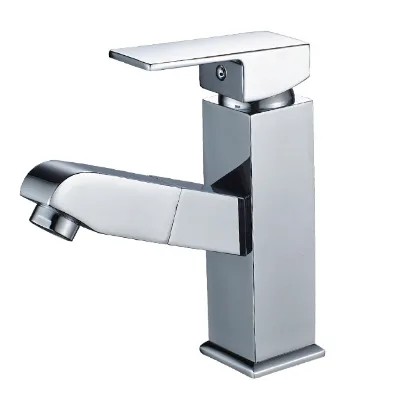


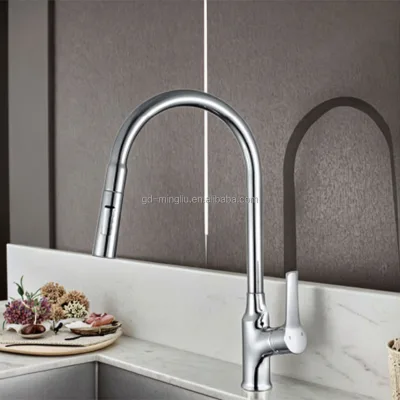
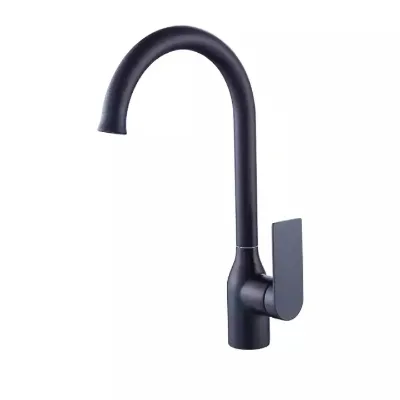


Comprehensive Sourcing Guide
Pull Out Kitchen Faucet with Brass Cartridge Sourcing Guide
Buyers evaluating pull-out kitchen faucets must first distinguish between models featuring brass cartridges and those utilizing alternative materials, as the supplied data indicates a mix of ceramic and brass valve cores across different listings. While some products explicitly list a 35mm Citec or ceramic cartridge, others specify brass body construction without confirming the internal valve material, requiring careful verification of the specific model number before procurement. This distinction is critical because the cartridge material directly influences the faucet's longevity, leak resistance, and maintenance requirements in high-traffic commercial or residential environments.
The observed product range includes diverse configurations such as waterfall outlets, single-hole deck-mounted units, and models with or without pull-out spray functionality, all of which impact the final selection. Sourcing teams should prioritize listings that explicitly confirm the presence of a brass cartridge when durability is the primary constraint, while noting that some suppliers offer customization options for handle types and surface treatments like metallic paint. Understanding these variations ensures that the selected unit aligns with the specific functional needs of the target application, whether it is a hotel suite, a private villa, or a commercial apartment complex.
Product Scope and Observed Listing Signals
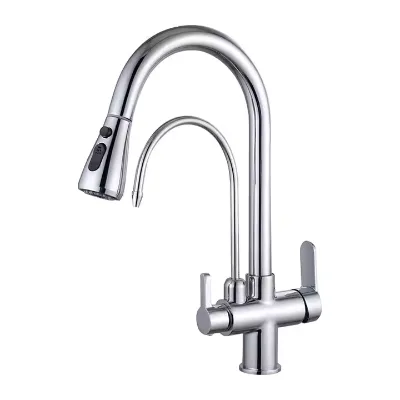
The market data reveals a significant variance in product specifications, with observed models ranging from simple single-handle designs to complex double-outlet purifier faucets that integrate water filtration systems. Buyers must scrutinize the "Pull Out Spray" attribute, as the inventory includes both units with pull-out functionality and those explicitly marked as without, which fundamentally changes the utility of the fixture for kitchen workflows. Additionally, the presence of optional components like shower heads or drainers suggests that some suppliers offer modular systems, requiring the buyer to confirm exactly which accessories are included in the base price versus those available as add-ons.
Listing signals also indicate a wide range of origin locations within China, including Foshan, Guangdong, Guangzhou, and Fujian, which may influence shipping logistics and lead times for international orders. The packaging methods vary from foam and box combinations to EPE foam and cardboard boxes, suggesting that protection levels during transit differ by manufacturer and model. Procurement teams should verify the specific model numbers, such as B2GM or 9803, to ensure they are sourcing the exact configuration required, as generic descriptions often mask critical differences in spout reach, hose length, and installation compatibility.
Technical Specifications to Verify
When verifying technical specifications, the cartridge type is the most critical component to validate, as the supplied facts highlight both 35mm ceramic cartridges and brass valve cores as available options. Buyers must confirm that the specific unit ordered contains the brass cartridge if that is a requirement for the project, as ceramic alternatives may offer different flow characteristics and wear profiles. Furthermore, the inlet hose length varies significantly, with some listings specifying a 7000mm Neoper hose, which is essential for ensuring the pull-out spray can reach all areas of the sink without straining the connection points.
Surface treatment and material composition also require strict verification, as the data shows products finished with metallic paint alongside those constructed from stainless steel or brass bodies. The "360 Swivel" attribute is another key technical differentiator, with some models offering full rotation while others are fixed or non-rotatable, directly affecting the ease of use for cleaning and filling large pots. Buyers should cross-reference the "Opening Way" and "Installation Type" to ensure the faucet matches the existing deck configuration, particularly for single-hole installations where the mounting hardware must be compatible with the specific faucet base design.
Compliance and Safety Documentation
Compliance documentation for kitchen faucets must address water safety standards, particularly regarding the materials used in the valve core and body that come into direct contact with drinking water. While the provided facts mention a general "reach" certification in a low-confidence section, buyers cannot assume this status applies to all listed products without requesting specific test reports for the brass cartridge and body materials. It is essential to verify that the faucet meets local plumbing codes for lead content and other heavy metal restrictions, as these regulations vary significantly by region and are not guaranteed by the general product descriptions found in the listing data.
Safety verification should also extend to the structural integrity of the pull-out mechanism and the durability of the hose under repeated extension and retraction cycles. Buyers should request evidence of the cartridge's tested lifespan, noting that some listings claim over 500,000 cycles of operation without leakage, which serves as a benchmark for quality assurance. Ensuring that the product complies with relevant safety standards for commercial and residential use is vital to prevent liability issues and to guarantee that the installed fixtures will perform reliably under daily stress conditions.
Cost Drivers and Commercial Terms
Cost drivers for pull-out kitchen faucets are heavily influenced by the choice of valve core material, with brass cartridges often commanding a premium over ceramic alternatives due to perceived durability and performance. The complexity of the design, such as the inclusion of a double outlet for purified water or a waterfall spout, also adds to the manufacturing cost and final price point. Buyers should analyze the observed price range of 0.5 to 51.89 USD to understand the market segmentation, recognizing that lower-priced items may lack the brass cartridge or high-quality surface treatments found in the higher-end models.
Commercial terms, including Minimum Order Quantity (MOQ) and packaging requirements, vary widely among suppliers, with observed MOQs ranging from a single unit to 3,000 pieces. Some suppliers support OEM and ODM services, which can affect the unit cost and lead time depending on the level of customization required for branding or specific technical modifications. Procurement teams must negotiate clear terms regarding the "prod_packing" method, as the choice between foam, box, and carton packaging impacts shipping costs and the risk of damage during transit, especially for fragile components like the pull-out spray head.
Supplier Qualification and Quality Control
Supplier qualification should focus on verifying the consistency of the brass cartridge supply chain, as the data indicates that different models may utilize different valve core manufacturers, such as Citec or generic ceramic units. Buyers must ensure that the supplier has a robust quality control process to prevent the mixing of models with different specifications, particularly when ordering large quantities where a single batch might contain units with non-brass cartridges. Requesting samples for independent testing is a prudent step to confirm that the physical product matches the technical claims made in the listing regarding cartridge material and flow performance.
Quality control protocols should also address the surface treatment and assembly integrity, as the observed data includes metallic painted finishes and stainless steel bodies that require different manufacturing processes. Suppliers should demonstrate their ability to maintain consistent quality across different production runs, especially for models with complex features like the 7000mm inlet hose or the 360-degree swivel mechanism. Establishing a clear communication channel for after-sales support, including online technical assistance and onsite installation guidance, is essential for resolving any issues that arise during the installation or initial use phase of the faucet.
Long-Term Procurement Checks
Long-term procurement checks must include a periodic review of the cartridge performance to ensure that the brass valve core continues to meet the expected lifespan and leakage resistance standards. Buyers should track the failure rates of installed units over time to validate the initial claims of 500,000 cycles without leakage, adjusting future orders based on real-world performance data rather than just supplier specifications. This data-driven approach helps in identifying any potential quality drifts in the manufacturing process and ensures that the supply chain remains reliable for ongoing maintenance and replacement needs.
Sustainability and supply chain resilience are also critical factors for long-term planning, as the origin of the products varies across multiple Chinese provinces, each with different logistical and regulatory environments. Buyers should assess the supplier's ability to maintain consistent production volumes and lead times, particularly given the observed range of MOQs and the potential for customization requests. Establishing a long-term partnership with a supplier who can provide consistent quality and transparent documentation regarding material sourcing will mitigate risks associated with supply disruptions and ensure the continued availability of compatible replacement parts.
FAQs
What cartridge type is used in these faucets?
The faucets utilize high-quality ceramic cartridges, specifically 35mm Citec or standard ceramic variants. These cartridges are engineered to prevent leakage and ensure smooth operation. They are tested to withstand over 500,000 cycles, guaranteeing long-term durability and reliable performance for both hot and cold water control in various settings.
Can I customize the faucet specifications for my project?
Yes, customization is available for these pull-out kitchen faucets. Buyers can select from various options including sink, shower head, drainer, and faucet configurations. The product supports OEM and ODM services, allowing for tailored specifications to meet specific design requirements or branding needs for hotels, homes, villas, and commercial apartments.
What materials are used for the faucet body and handles?
The faucet bodies are primarily constructed from brass, ensuring structural integrity and corrosion resistance. Some models feature stainless steel components, including handles made from 304 stainless steel. The surface treatment often includes metallic painting for a modern aesthetic. These materials are selected to provide durability and a premium finish suitable for kitchen environments.
What is the minimum order quantity for these faucets?
The minimum order quantity varies by model, ranging from 1 piece to 3,000 pieces. Specific models may have an MOQ of 10 pieces, while others allow for single-unit purchases. This flexibility supports both small-scale residential projects and large commercial installations, accommodating diverse procurement needs without requiring excessive initial inventory investment from the buyer.
How is the faucet packaged for shipping?
The faucets are packaged securely to prevent damage during transit. Common packaging methods include EPE foam combined with cartons, foam plus boxes and cartons, or simple cardboard boxes. Each unit is typically packed individually, such as one piece per box. This robust packaging ensures the product arrives in pristine condition, ready for installation.
Where are these faucets manufactured?
These faucets are manufactured in China, with origins in regions such as Foshan, Guangdong, Guangzhou, and Fujian. These locations are known for their robust manufacturing infrastructure for plumbing fixtures. Buyers can expect consistent quality and efficient production capabilities, leveraging the established supply chain networks in these key industrial hubs for reliable sourcing and delivery.